The cost of living doesn’t just affect what we can afford. It also limits what we can do.
When budgets are tight, people weigh decisions differently. Time matters more. Effort matters more. Uncertainty matters more. And actions that may be good for us in the long term can be easier to postpone when there are more immediate pressures competing for our attention.
Often, the greatest barrier isn’t the cost-of-living; it’s the perceived cost-of-acting.
Financial pressure doesn’t create all of these barriers, but it can make them harder to overcome. When money is tight, people’s tolerance for effort, uncertainty and delayed benefits can shrink too.
Behaviour-change thinking asks a different question: what is standing between intention and action?
The answer might be cost. But it could also be complexity, effort, habit, uncertainty or simply too many competing priorities. Once we understand the barrier, we can design the communication, tools or experience around it.
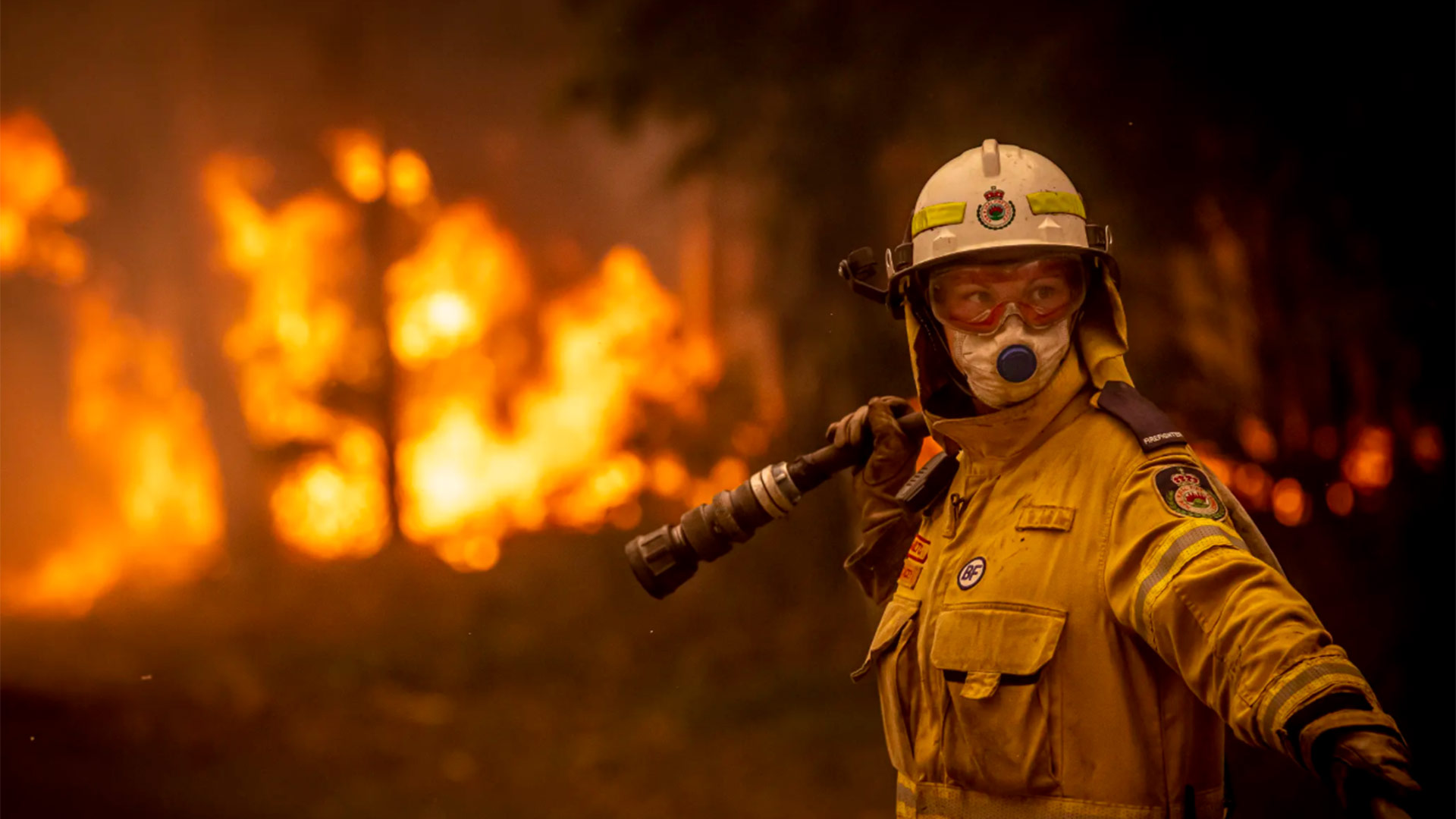
At The Brand Pool, we’ve partnered with Australian and State Government organisations and Councils across emergency services and community education to help people adopt behaviours that improve their lives.
In emergency preparedness, for example, the behaviour might be making a household survival plan. The barrier isn’t necessarily that people don’t understand its importance. It may be that preparing feels complicated, time-consuming or easy to put off.
These campaigns often ask people to invest time, effort or money today to reduce unpredictable future risks. Our role is to make those actions feel worthwhile, achievable and relevant, even during periods of financial pressure.
Our work with the NSW Rural Fire Service is one such emergency preparedness campaign, which highlights the importance of a bushfire survival plan. However, we took a vastly different approach, using interactive experiences to engage the community and foster active participation to drive behaviour change.
We found that the lack of past experience or appreciation of bush fire potential, creates an opportunity for meaningful education at community events. So, for the campaign, we developed a virtual reality experience of a bush fire event, which allows individuals to understand the realities of bushfires without endangering themselves.
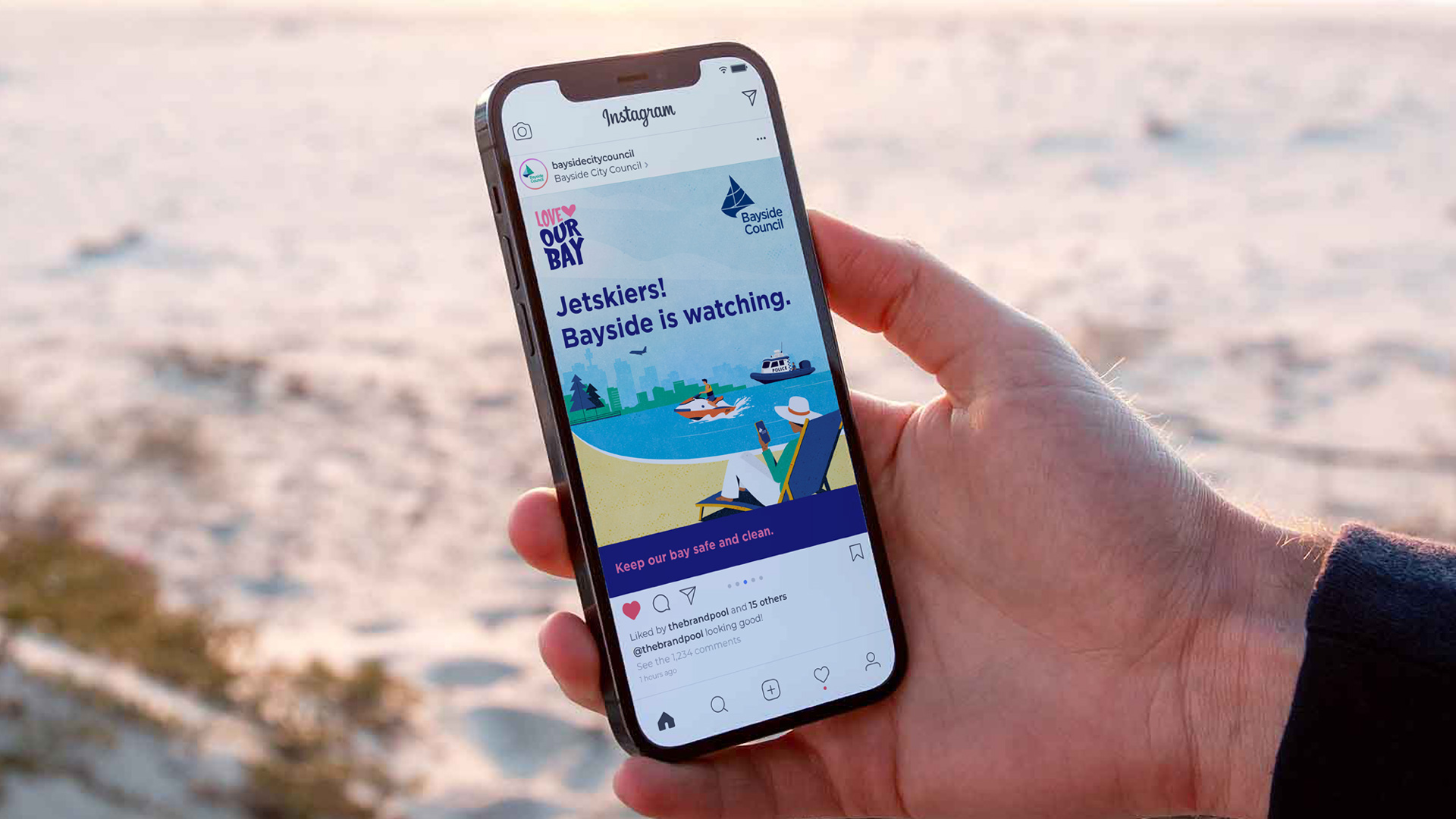
To understand what is preventing action, we don’t rely on creative communications alone. We start by understanding the behaviour we want people to adopt and the audience we’re trying to reach.
We look for the beliefs, habits, pressures and motivations behind the behaviour—not simply what people say they intend to do.
Those insights tell us what needs to change. Sometimes that’s the message. Sometimes it’s the timing, the instruction, the experience or the next step we’re asking people to take. The aim is to remove as much friction as possible at the moment the behaviour needs to happen.
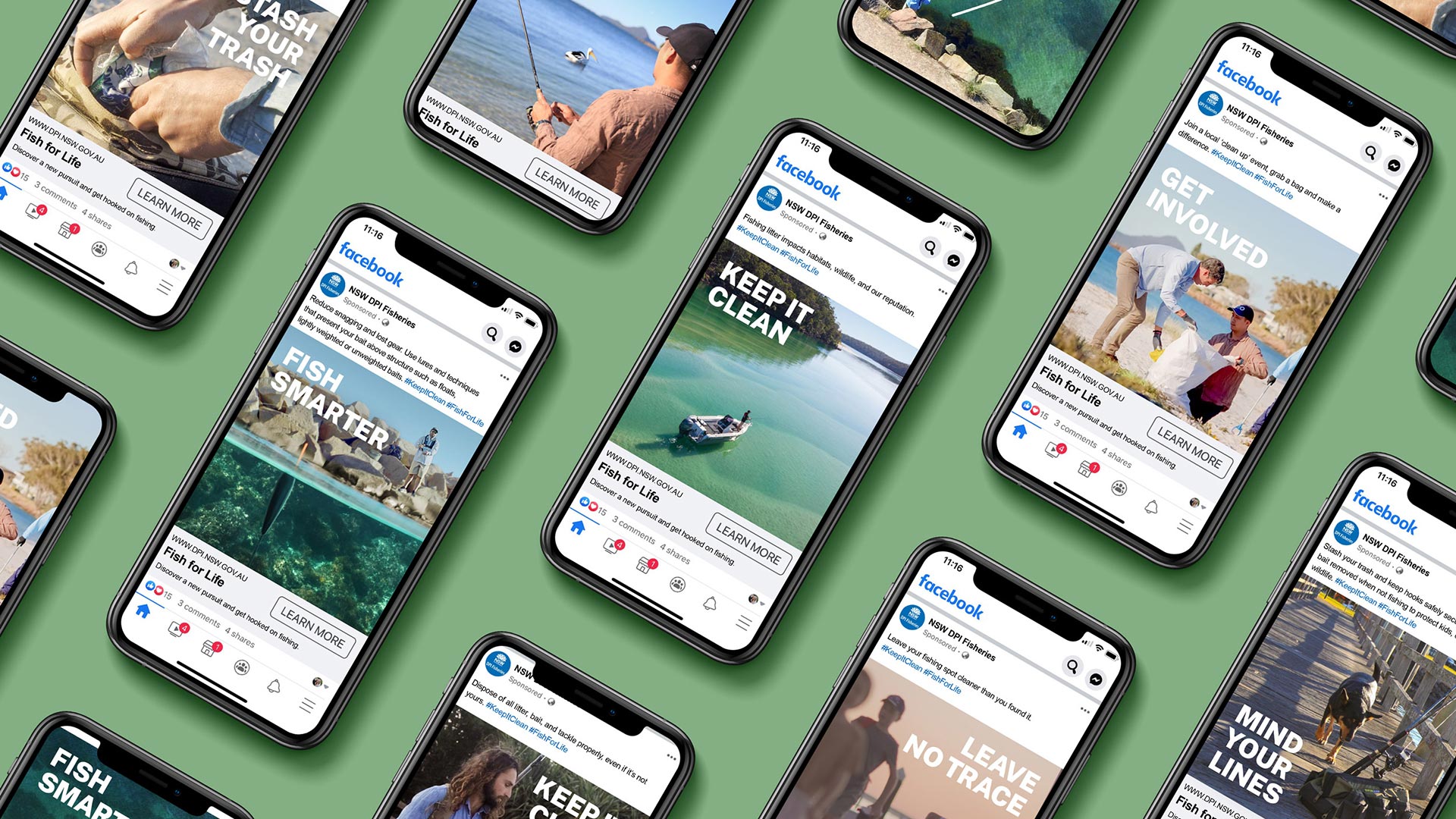
Cost-of-living pressure doesn’t mean people care less. But it can make action feel harder, riskier or easier to postpone.
That’s why effective behaviour change begins with understanding the conditions in which people are making decisions—not simply giving them another reason to act.
When circumstances change, the strategy needs to change with them.
Awabakal Country
PO Box 1695
Newcastle 2300
New South Wales
Australia
We acknowledge that we work on the lands of the Awabakal and Wadawurrung nations. We wish to pay respect to their Elders – past, present and future – and acknowledge the important role all Aboriginal and Torres Strait Islander people continue to play within our region and all of Australia.

Awabakal Country
PO Box 1695
Newcastle 2300
New South Wales
Australia
We acknowledge that we work on the lands of the Awabakal and Wadawurrung nations. We wish to pay respect to their Elders – past, present and future – and acknowledge the important role all Aboriginal and Torres Straight Islander people continue to play within our region and all of Australia.

Sign up to our newsletter and dive into great content.