
As we usher in the new year, we’re taking a moment to reflect on 2025 – the projects that excited us, the challenges we faced and campaigns that created real change across Australia.
Last year, we worked with Lake Macquarie City Council to create a virtual ‘Moment of Calm’ for busy Sydney commuters, that highlighted the region as a desirable destination to live, work, study and play.
Solar Neighbourhoods was another exciting project; A council-backed solar and battery program for Hunter households, which included branding, messaging and a full content suite. Our work with a well-known legacy institution included codifying and modernising their identity to bring clarity, cohesion and digital readiness.
We worked alongside Redback to launch a new website for Soil CRC, a brand we originally created several years ago, and we were also proud to continue to work alongside the NSW DPI Fisheries to deliver their 2024/25 Annual Report (not yet published).
We’ve also been working on an employee value proposition and workplace culture campaign for a NSW Government agency, which is set to launch early next year, so stay tuned!
These projects are just a snippet of the work we love to do: drive positive change, deliver results that matter and create lasting impact for brands and communities.

This year, we’re spotlighting 6 trends to watch in 2026, and the impact they may have on marketing and design agencies and their audiences.
Artificial Intelligence has increasingly become a core driver for creativity and marketing efficiency. Despite increasing environmental concerns, brands are no longer just using AI as a supplementary tool; it’s become integral to both content creation and personalised marketing, with 97% of business leaders saying it had an impact on their marketing performance in 2025*.
From AI tools producing ad visuals, to writing copy that adapts tone for specific audiences, marketers can now rapidly iterate campaigns at scale. Personalisation has reached a new level too, with AI dynamically tailoring messaging, product recommendations, and offers based on individual behaviour, preference, and context.
A recent example is Coca-Cola’s Christmas campaigns, which have experimented with AI-driven personalisation and generative content. Using AI, the brand can customise visual storytelling and messaging across different markets and audiences, creating experiences that feel individually tailored while still maintaining the overarching festive brand identity.
This shift demonstrates how AI allows brands to balance efficiency with creativity and producing content that resonates with consumers, while also helping to reduce marketing costs*.
Consumers increasingly prefer to buy from people they trust rather than faceless corporations. Human-first media recognises this by putting real people—employees, team members, or even micro-influencers—at the forefront of marketing.
Audiences respond to the authenticity and relatability of seeing actual, believable people interact with products, share experiences, or provide insights, rather than stylised or overly scripted ads.
This trend has led to the rise of internal content creators on platforms like TikTok, where employees or social media managers act as the public face of a brand. For brands like Sticky, the Sydney candy shop, staff members feature frequently in behind-the-scenes videos, showcasing the candy-making process and everyday customer and staff interactions. By humanising the brand, businesses can create emotional connections, strengthen trust, and increase engagement in ways traditional advertising cannot.
@stickyaustralia Who won? Annabelle is catching up to her dad fast
♬ original sound - Sticky Lollies
The rise of AI-driven search engines has shifted the focus from traditional Search Engine Optimisation (SEO) to Answer Engine Optimisation (AEO). So, instead of optimising content for keywords, brands now need to structure their content to provide concise and clear answers that AI-powered search engines can understand and deliver to users. This includes well-structured FAQs, schema markup, and content that anticipates questions in natural language.
AEO requires marketers to think differently, ensuring that content is discoverable and usable in AI-driven search contexts. For brands that structure information effectively, they can increase visibility without relying on traditional search rankings.
Of course, this will likely also lead to a decrease in website visits overall, as users become accustomed to finding all the answers they need without even leaving the homepage of Google.

Micro-influencer marketing has become a preferred strategy for brands seeking authenticity and engagement over reach alone. Instead of working with a few high-profile influencers, savvy brands now collaborate with multiple niche creators who have smaller but highly engaged followings. These creators often have strong credibility within their communities, resulting in more genuine endorsements and stronger audience trust, with a human-centric authenticity.
This approach allows brands to diversify messaging and tap into multiple micro-communities simultaneously. A smaller influencer promoting a product in their authentic voice can generate more meaningful engagement than a celebrity with millions of followers. For example, fashion and beauty brands often partner with a network of micro-influencers to showcase products in real-life settings, demonstrating how the items fit into everyday life and encouraging organic discussion.
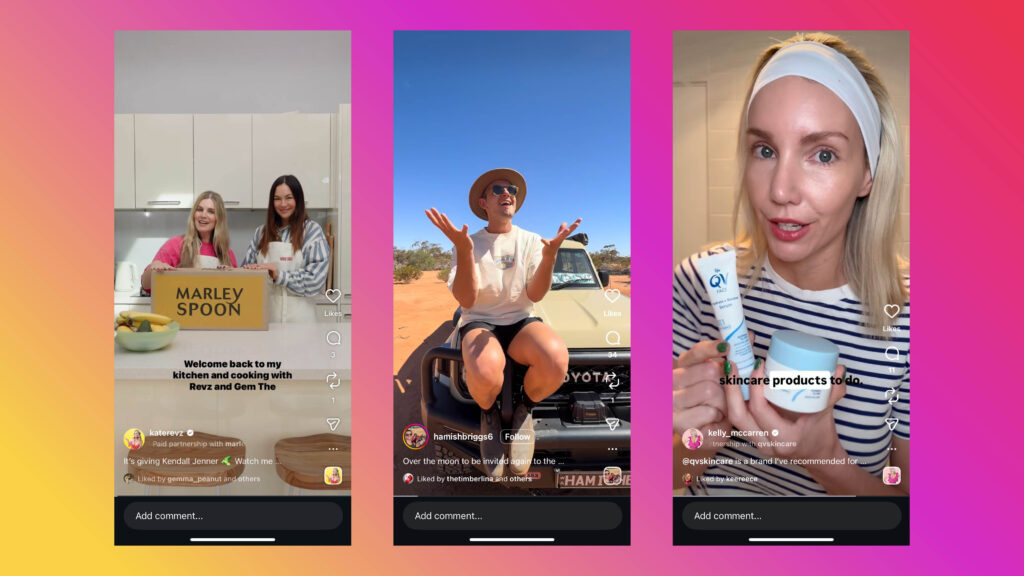
In today’s social media landscape, relevance has become a critical KPI for marketers, with brands increasingly assessed by how quickly they can identify, react to, and leverage emerging trends, memes, or cultural moments. A timely, witty response can generate viral engagement, while delayed action can mean missing out entirely.
For instance, earlier this year Amazon Prime India used a fan favourite joke from the most recent season of The Summer I Turned Pretty, to compare an X users new engagement ring with the “microscopic” ring of the main character from the show. While in a different context, this may have worked a treat, they received backlash when the original poster commented “When a huge streaming platform puts out a mean-spirited tweet about one of the happiest moments of your life for engagement.” Amazon Prime India swiftly apologised.

Audiences these days expect marketing to blend seamlessly into their social feeds, and over 60% of people say they’re more likely to buy from brands that use memes*.
This behaviour has pushed marketing teams to adopt more agile workflows, with content calendars and creative approvals designed for rapid turnaround. Social media agencies are now measuring themselves not just by reach or impressions, but by reaction time—how quickly campaigns or social posts can pivot to reflect cultural events. Platforms like X, Instagram, and TikTok reward immediacy, making speed a competitive advantage in the digital attention economy.
Short-form video continues to dominate digital marketing, driven by platforms like TikTok, Instagram Reels, and YouTube Shorts. These formats and algorithms cater to continued decreasing attention spans and encourage highly consumable, repeatable content. Interactive elements such as polls, quizzes, filters, or clickable overlays, further increase engagement and provide actionable data for marketers.
Brands are also leveraging short-form content not just for awareness but for conversion. For instance, TikTok campaigns often combine clips with subtle product placement, challenges, or interactive features that encourage participation. The combination of brevity and interactivity allows brands to maintain audience interest, boost shareability, and create content that feels both native and immersive to the platform.
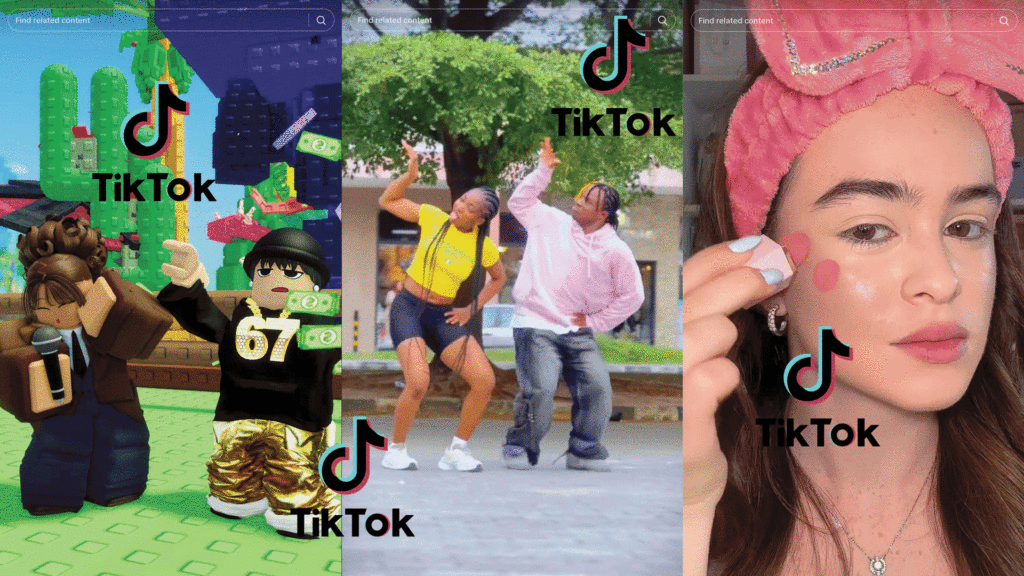
These aren’t just fleeting trends—they echo structural changes in audience behaviour and the digital landscape, reflecting how people connect and what they expect from the brands and content they consume. Brands that move early will gain a competitive edge, building stronger relationships and delivering value that lasts.

*Sources:
AdRoll, 2025
Amra & Elma, 2023
Awabakal Country
PO Box 1695
Newcastle 2300
New South Wales
Australia
We acknowledge that we work on the lands of the Awabakal and Wadawurrung nations. We wish to pay respect to their Elders – past, present and future – and acknowledge the important role all Aboriginal and Torres Strait Islander people continue to play within our region and all of Australia.

Awabakal Country
PO Box 1695
Newcastle 2300
New South Wales
Australia
We acknowledge that we work on the lands of the Awabakal and Wadawurrung nations. We wish to pay respect to their Elders – past, present and future – and acknowledge the important role all Aboriginal and Torres Straight Islander people continue to play within our region and all of Australia.

Sign up to our newsletter and dive into great content.